
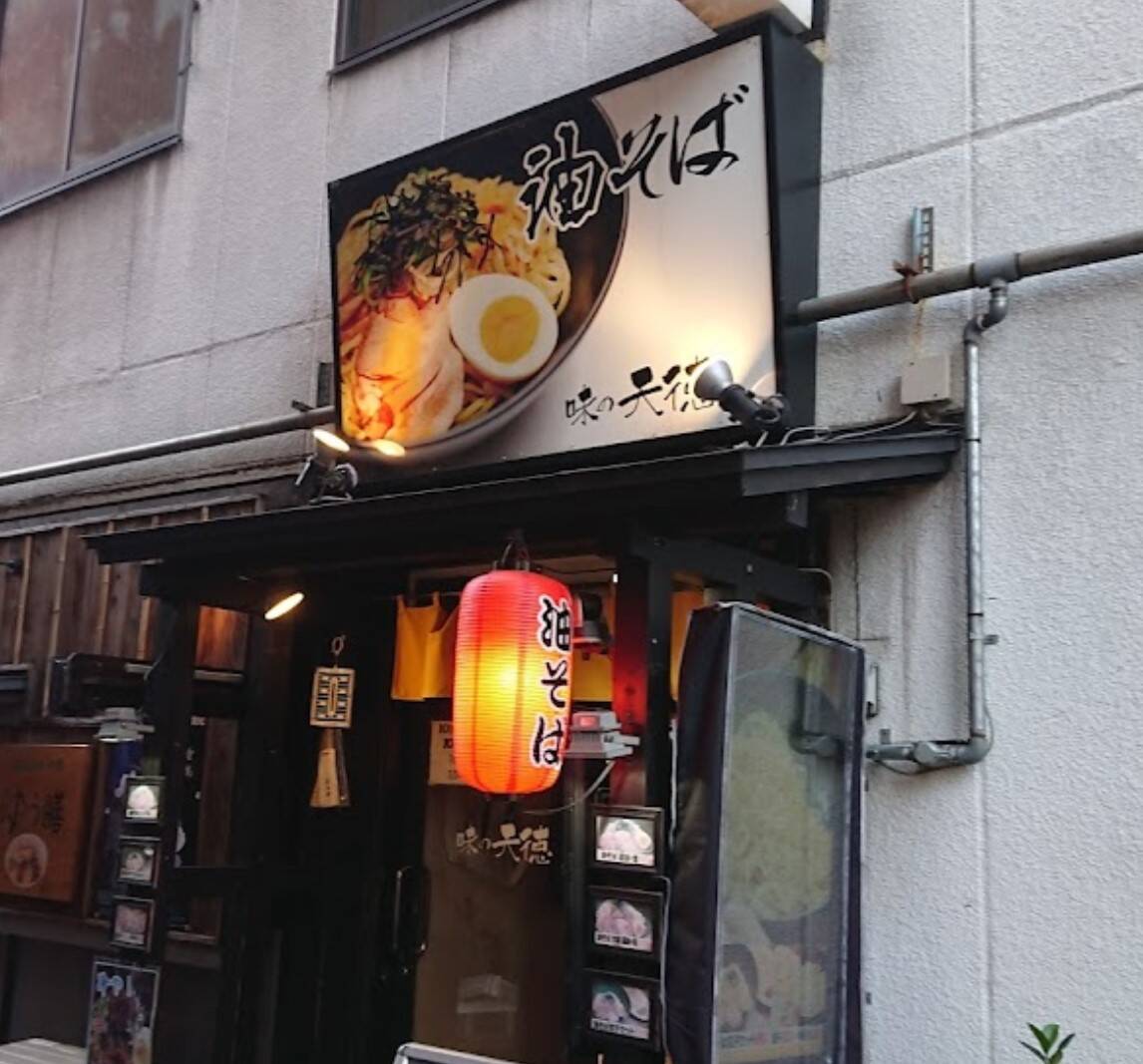
味の天徳
Aji no Tentoku
Kyoto, Japan
Tokyo's brothless noodle — bold, intense, and unlike anything you've had before
Aburasoba (油そば) is a popular Japanese dish that offers a delightful alternative to traditional ramen by foregoing the broth entirely. Born in Tokyo's university districts in the 1950s, it gained a devoted following among students who craved bold, deeply satisfying flavors in a lighter format.
Unlike traditional ramen, the sauce clings directly to the noodles, creating an intense concentration of umami in every bite. There's no dilution, no broth to sip — just the pure, undiluted flavor of the tare coating each strand. Mix the bowl from top to bottom to coat the noodles evenly in the rich sauce before your first bite.
Use your chopsticks to lift and toss the noodles from the bottom of the bowl, coating them fully in the tare sauce pooled beneath.
A splash of rice vinegar brightens the richness. A drop of chili oil adds heat and depth. Both are on every table — use them to taste.
Eat while hot. The sauce and fat emulsify around the noodles — every slurp delivers the full, concentrated flavor of the tare.
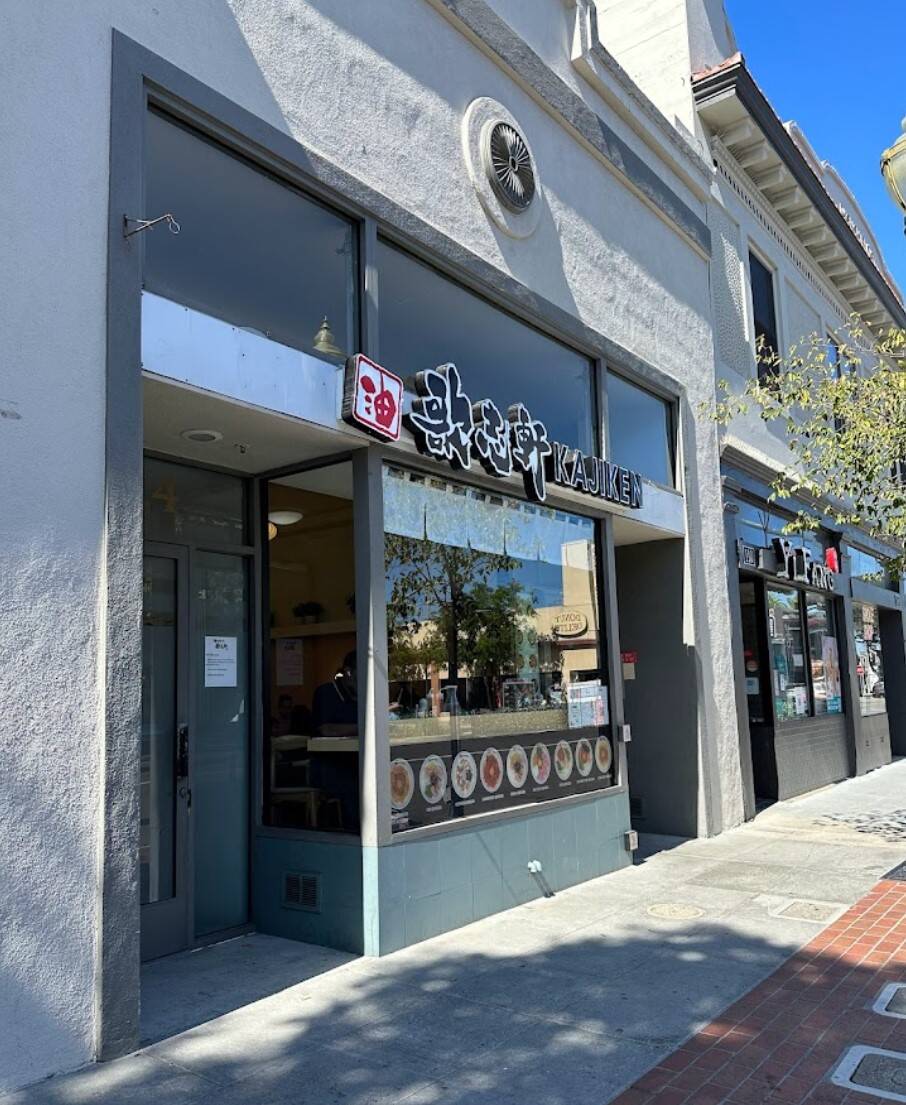
Slurp Station elevates aburasoba with proprietary sauces that took months to develop — a soy-based tare and a salt-based tare, each inspired by the techniques of Japan's most celebrated shops. The sauces are made in-house, adjusted seasonally, and never shortcut.
A deep, dark shoyu base built on layers of fermented soy, aromatics, and rendered pork fat. Classic Tokyo-style — rich without being heavy.
A lighter, more nuanced tare with pork bone richness. Cleaner on the palate, with a lingering umami that keeps you reaching for more.
Slow-braised chashu pork, hand-pulled menma, high-quality nori, and soft-boiled eggs marinated overnight. Every component earns its place in the bowl.
Come find us in Seattle's University District. Explore our aburasoba menu before you visit, or visit us in the University District.