
Seattle Ramen Guide 2026
Every Style From Tonkotsu to Aburasoba
Seattle's ramen scene has never been deeper. This guide breaks it down by style — not just by restaurant — so you can find exactly the bowl you're craving.
Most "best ramen in Seattle" lists rank restaurants against each other. That's useful, but it misses the point. Ramen isn't one dish — it's an entire family of dishes, and the difference between a bowl of rich tonkotsu and a plate of brothless aburasoba is as significant as the difference between a cheeseburger and a Philly cheesesteak. Same ingredient family, completely different experience.
This guide takes a different approach. We're organizing by style, so you can understand what you're actually eating and find the best version of each type across the city. Whether you're a ramen newcomer or someone who's eaten through half of Tokyo, Seattle has something for you.
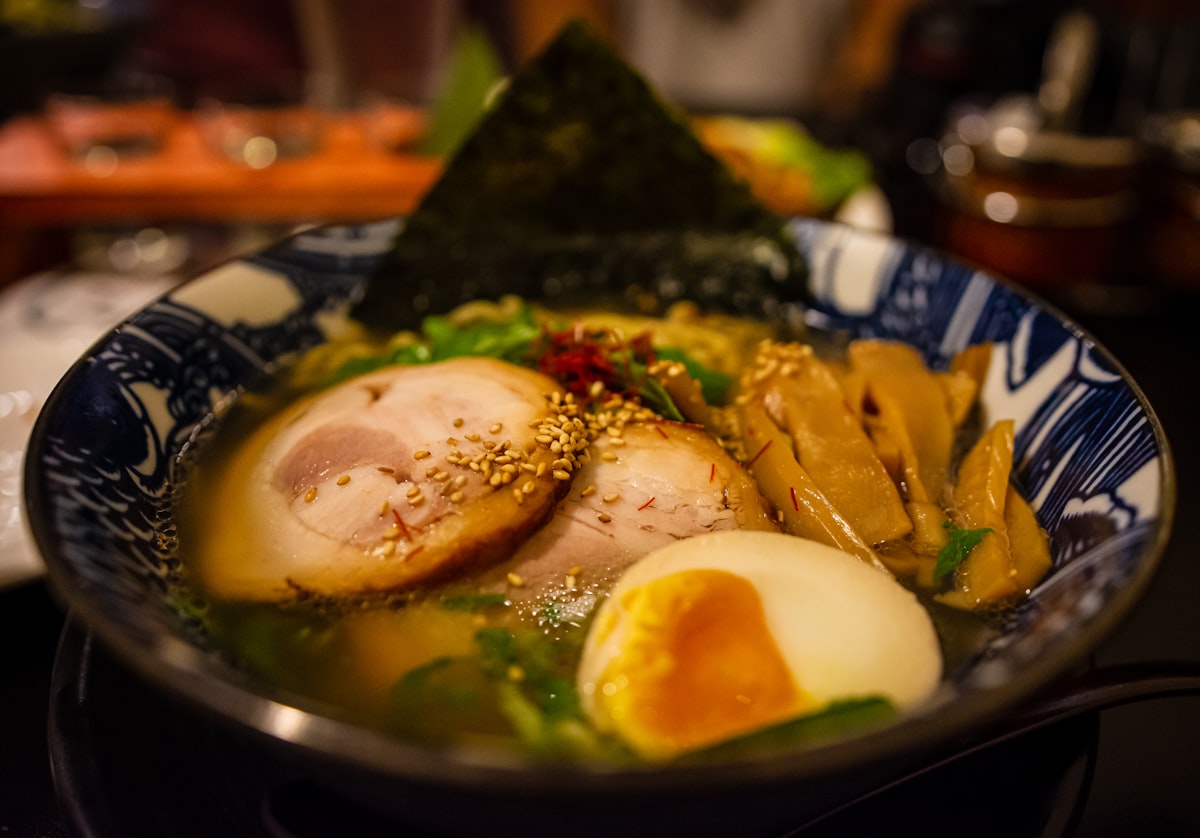
The Broth-Based Classics
Tonkotsu (Pork Bone Broth)
The style most Americans think of when they hear "ramen." Tonkotsu broth is made by boiling pork bones for 12-20 hours until the collagen breaks down into a creamy, opaque white soup. It's rich, heavy, and deeply satisfying — especially on a cold Seattle evening.
Where to find it: Ramen Danbo (Capitol Hill) is the gold standard for Hakata-style tonkotsu in Seattle — they let you customize firmness, richness, and garlic level. Arashi Ramen (multiple locations) does a solid, approachable version with excellent chashu. Kizuki Ramen (U-District, Southcenter, and more) offers tonkotsu as part of a broader menu, and their garlic black version has a cult following.
Shoyu (Soy Sauce)
The original Tokyo-style ramen. Shoyu broth is typically a clear or brown chicken-based soup seasoned with soy sauce tare. It's lighter than tonkotsu but deeply savory, with a clean umami finish that doesn't weigh you down.
Where to find it: Midnite Ramen (Capitol Hill) runs a tight, late-night operation with excellent shoyu. Yoroshiku (Wallingford) serves a refined, modern take that feels more Tokyo kissaten than American ramen shop.
Miso
Originally from Sapporo, miso ramen uses fermented soybean paste as the base flavor. It's robust, slightly sweet, and works beautifully with corn and butter toppings — a Hokkaido signature. Miso broth tends to be the most forgiving for newcomers: it's hearty and familiar.
Where to find it: Hokkaido Ramen Santouka (U Village) is the obvious pick — they're a Hokkaido chain doing authentic regional miso. Kizuki also does a strong miso, and Ooink (Capitol Hill) offers a miso tonkotsu blend that's worth trying.
Shio (Salt)
The most delicate of the classic styles. Shio ramen uses salt-based tare with a lighter broth — often chicken or seafood. When done well, it's elegant and nuanced. When done poorly, it's just... salty water. The best shio ramen rewards patience and attention.
Where to find it: Shio is harder to find as a specialty in Seattle, but Ramen Danbo offers a shio option, and several shops rotate it as a seasonal special.
Beyond the Broth: Dipping & Brothless
Tsukemen (Dipping Ramen)
Tsukemen separates the noodles from the broth entirely. You get a plate of thick, chewy noodles alongside a bowl of concentrated, intensely flavored dipping broth. You dip, slurp, and repeat. The broth is intentionally over-seasoned because the cold noodles dilute it on contact. It's a textural and temperature experience that regular ramen can't replicate.
Where to find it: Tsukemen is still relatively rare in Seattle. Some shops offer it seasonally, and it's worth asking at your local spot if they do a summer version. The style is growing in popularity and we expect more dedicated options by late 2026.
Aburasoba (Brothless Ramen)
This is the one most Seattleites haven't tried yet — and the one that converts people the fastest. Aburasoba means "oil noodles." There's no broth at all. Instead, the noodles sit in a concentrated tare (sauce) at the bottom of the bowl, mixed with aromatic oils, and topped with the same care as any ramen bowl: chashu, nori, menma, egg, scallions.
The ritual is key: you add rice vinegar and chili oil tableside, then mix everything from the bottom up. Every strand of noodle gets coated in that rich, savory-sweet tare. It's more noodle-forward than any broth-based ramen, and the flavors are more concentrated because there's nothing diluting them.
Aburasoba originated in 1950s Tokyo, near university campuses — cheap, filling, intensely flavorful. It's been a staple of Japanese college neighborhoods for 70 years.
Where to find it: Slurp Station Aburasoba (University District) is Seattle's first and dedicated aburasoba restaurant. The menu covers salt-based, shoyu, a Tokyo Ganso with Parmesan and poached egg, a vegan option, and a seafood jumbo. It's the only place in the city doing aburasoba as the main event rather than a side-menu afterthought.
How to Choose Your Style
Here's a rough guide based on what you're in the mood for:
Cold and rainy? Tonkotsu or miso. The heavy, warming broth is exactly what you need.
Want something lighter? Shoyu or shio. Clean, savory, and you won't feel like you need a nap afterward.
Craving intense, concentrated flavor? Aburasoba. No broth means every bite is pure, undiluted umami. It's also faster to eat — no careful broth-sipping required.
Love noodle texture? Tsukemen or aburasoba. Both styles put the noodle front and center.
Vegan or plant-based? Miso ramen adapts well to vegan broth, and Slurp Station's Vegan Shoyu Aburasoba ($17) is built from the ground up as a plant-based dish — not a modified meat version.
The best thing about Seattle's ramen scene in 2026 is the variety. We've moved beyond the "just tonkotsu" era. Every major Japanese ramen style now has a home somewhere in the city. The only question is which one you're trying next.
Try Aburasoba — Seattle's Brothless Ramen
Slurp Station is the city's first restaurant dedicated entirely to aburasoba. Located in the University District with free parking, we're open daily 11 AM to 9 PM. Come experience the style that's been a Tokyo staple for 70 years.