
Spring Is Here:
The Ultimate Guide to Seattle's Cherry Blossoms
Seven locations. Ninety-year-old trees. One fleeting, magnificent week. Everything you need to make the most of Seattle's sakura season — with the perfect meal waiting at the end.
Spring in Seattle is synonymous with one thing: the breathtaking sea of pink and white that takes over our city. Whether you're a long-time local or visiting the University District for the first time, cherry blossom season is a magical, fleeting window you don't want to miss.
At Slurp Station, we're located just steps from the iconic UW Quad — which means we watch these trees bloom every year. This guide covers seven of the best viewing spots across the region, the remarkable history behind the UW trees, and the science of what makes sakura so extraordinary.
Did You Know? Fascinating Sakura Facts
Cherry blossoms — 桜 (sakura) — are more than just pretty flowers. They're a symbol of life's fleeting beauty, woven into centuries of Japanese philosophy and cultural tradition.
Identical Twins
The 29 Yoshino trees in the UW Quad are genetic clones — propagated via grafting, every single tree shares the exact same DNA. This uniformity is what causes them to bloom so simultaneously, creating that massive, single-wave visual impact.
花吹雪 — The Snow Effect
The most beloved moment for many is Hanafubuki (花吹雪 — flower snowstorm), when petals begin to fall, swirling like pink snowflakes. It lasts just two to three days and is considered the peak of hanami culture.
Edible Art
Cherry blossoms are edible. In Japan they're salt-pickled and used in sweets like Sakura Mochi. Their subtle floral scent comes from coumarin — a compound released when petals are preserved in salt or dried.
The Journey: Where Did the UW Trees Come From?
It's hard to imagine the UW Quad without its iconic pink canopy — but these trees weren't always there, and their survival is a story of preservation, coincidence, and lasting friendship.
The story begins in the 1930s, when the trees were first planted at the Washington Park Arboretum. Decades later, in the early 1960s, construction of the SR-520 floating bridge threatened to displace them permanently.
In 1962, the University of Washington purchased 31 of these mature trees for just $1 each and transplanted them to the Quad — where they've stood ever since, some now nearly 90 years old and among the most photographed cherry trees in America.
— History of the UW Quad, University of Washington
Today their survival stands as a testament to the enduring bond between the Pacific Northwest and Japanese botanical heritage — and a reminder that the most beautiful things in a city are often the ones that almost didn't survive.
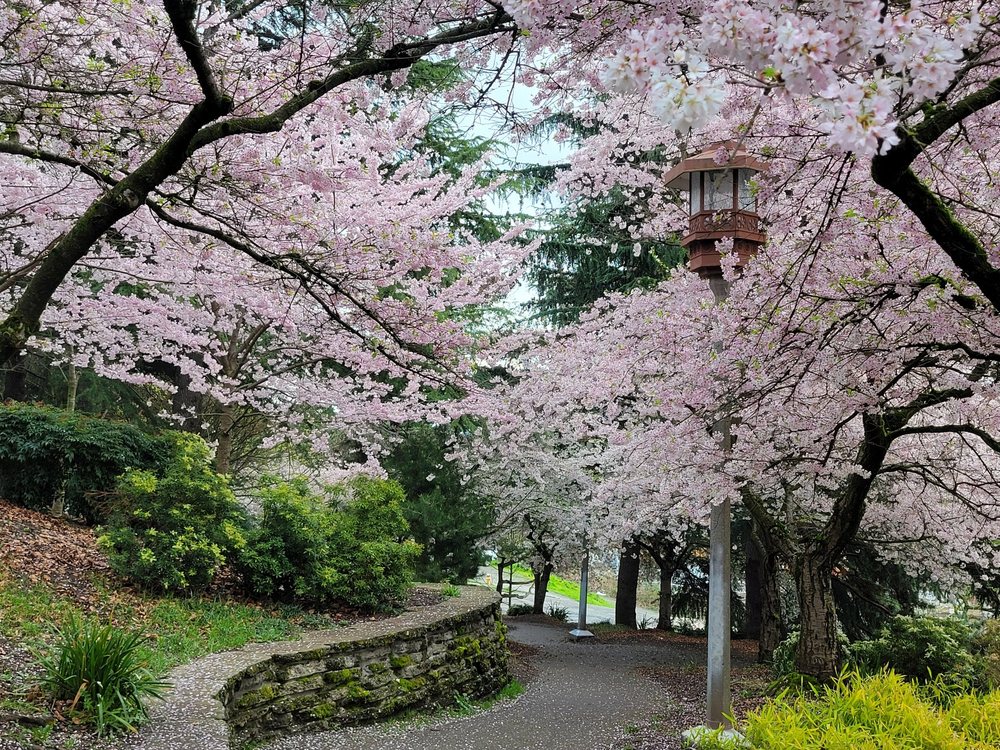
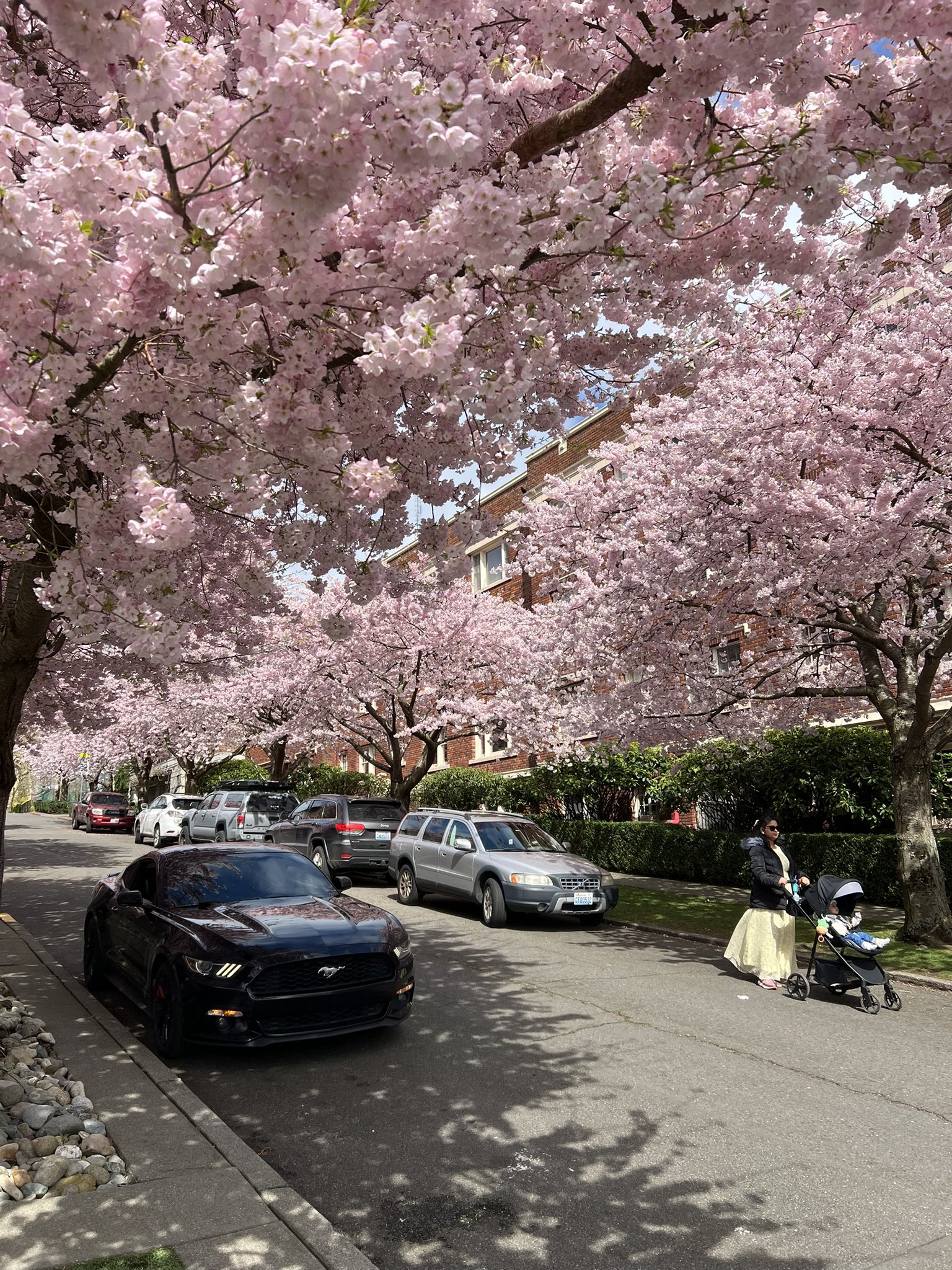
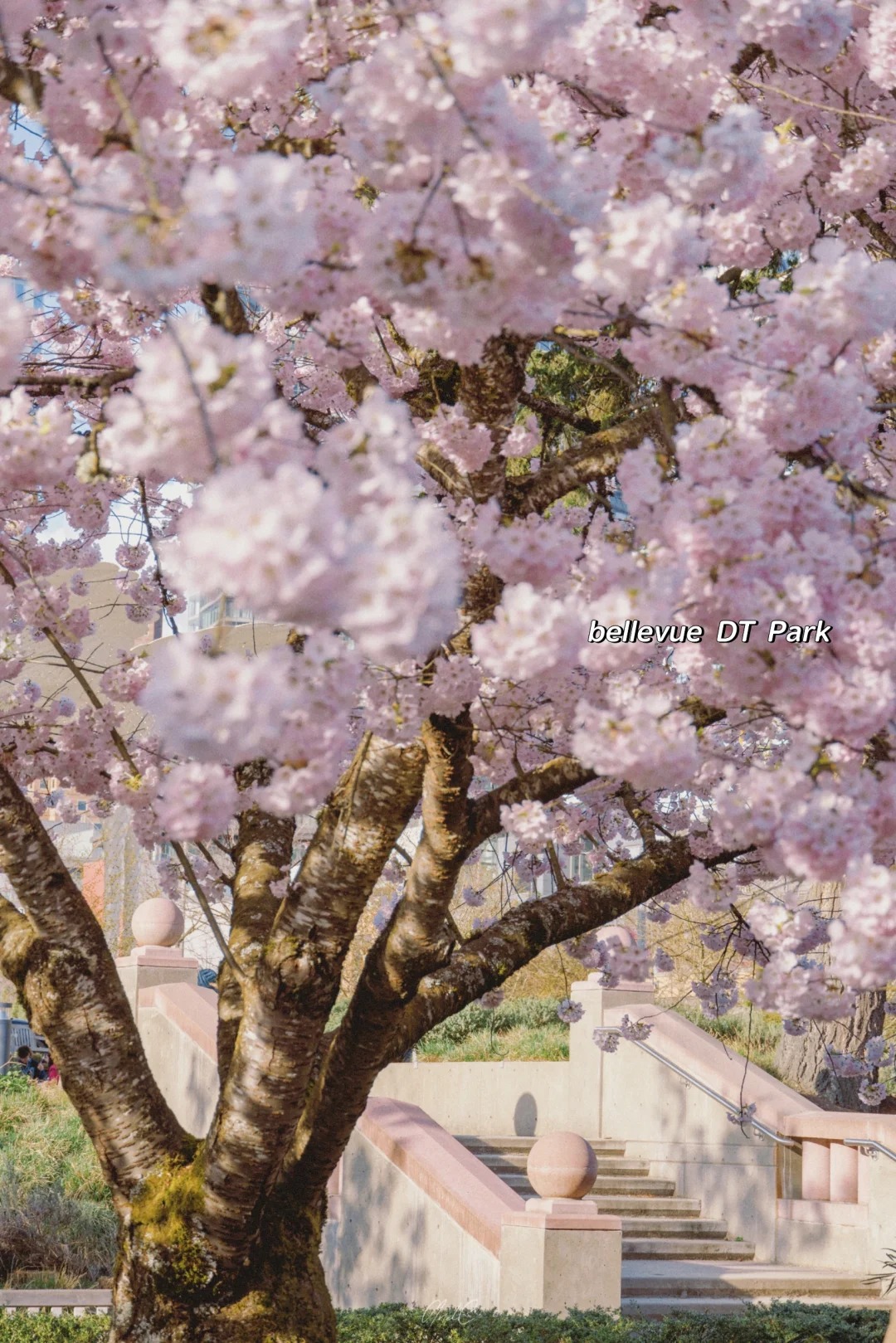
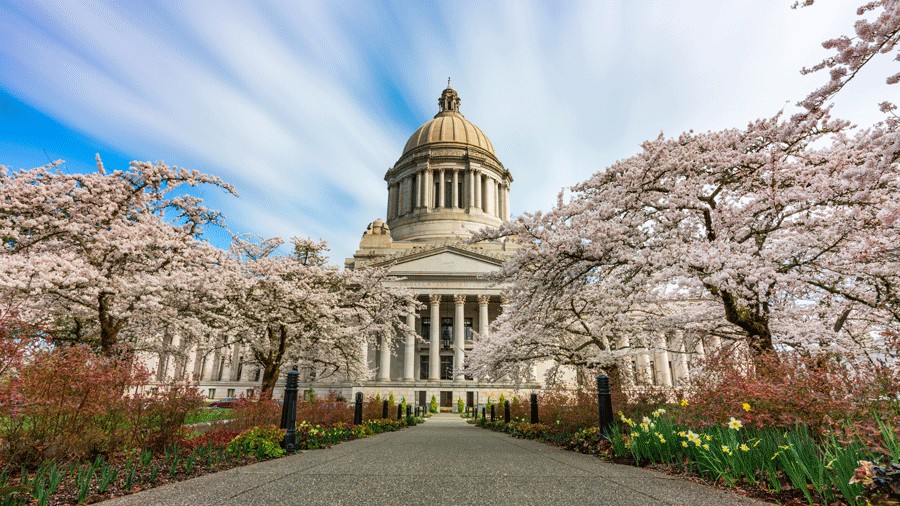
The 2026 Viewing Guide: 7 Best Locations
From Seattle's University District to Olympia's Capitol grounds — the region's most spectacular spots, ordered roughly by proximity to Slurp Station.
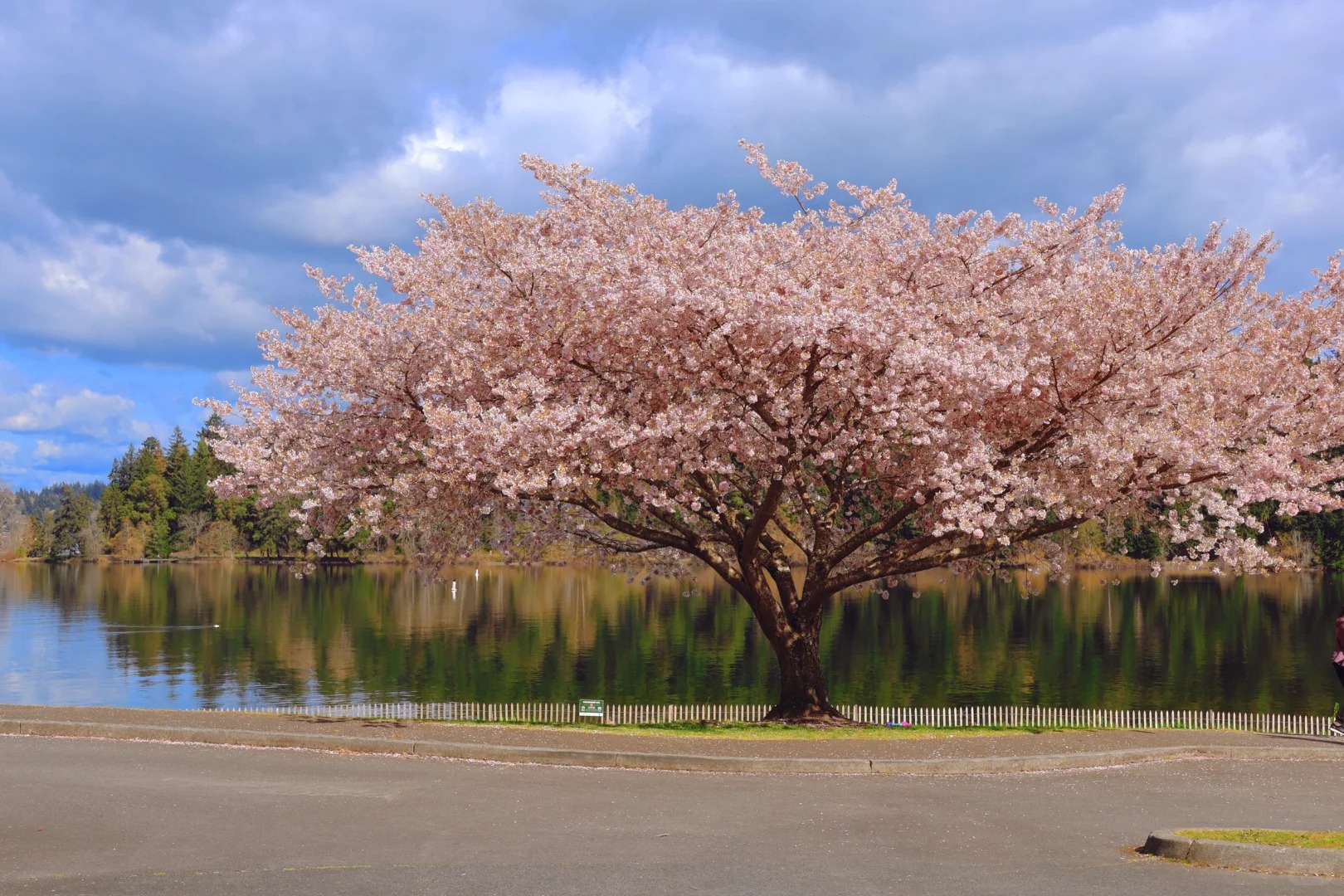
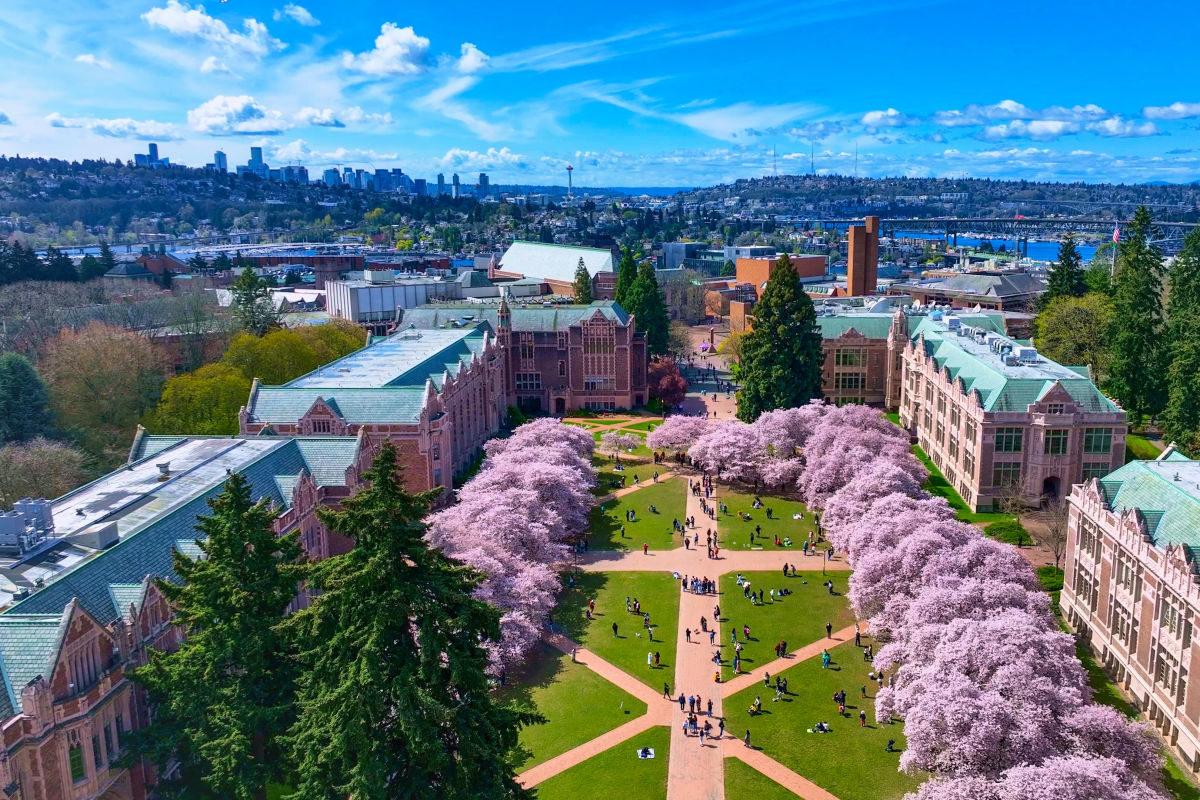
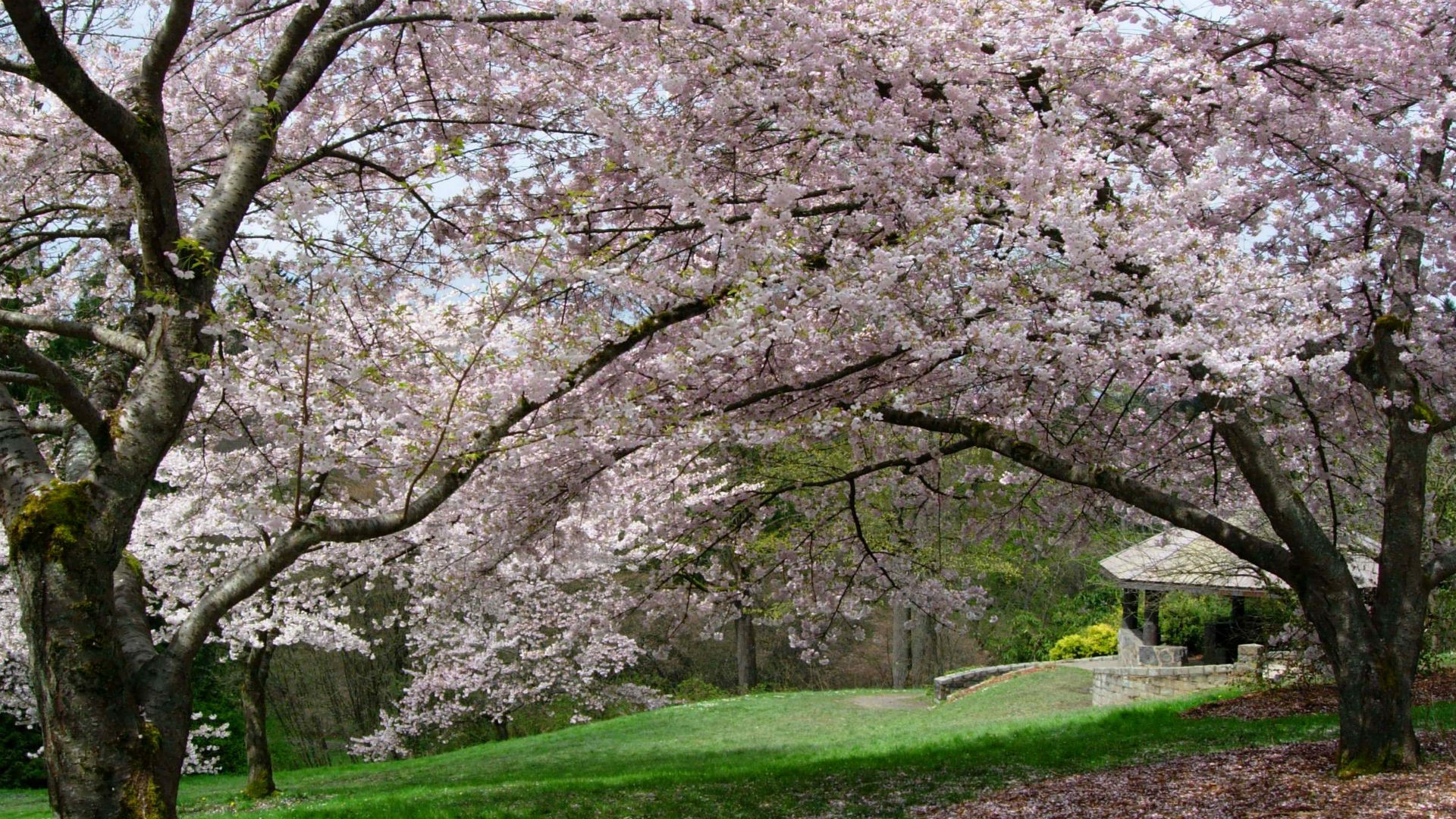
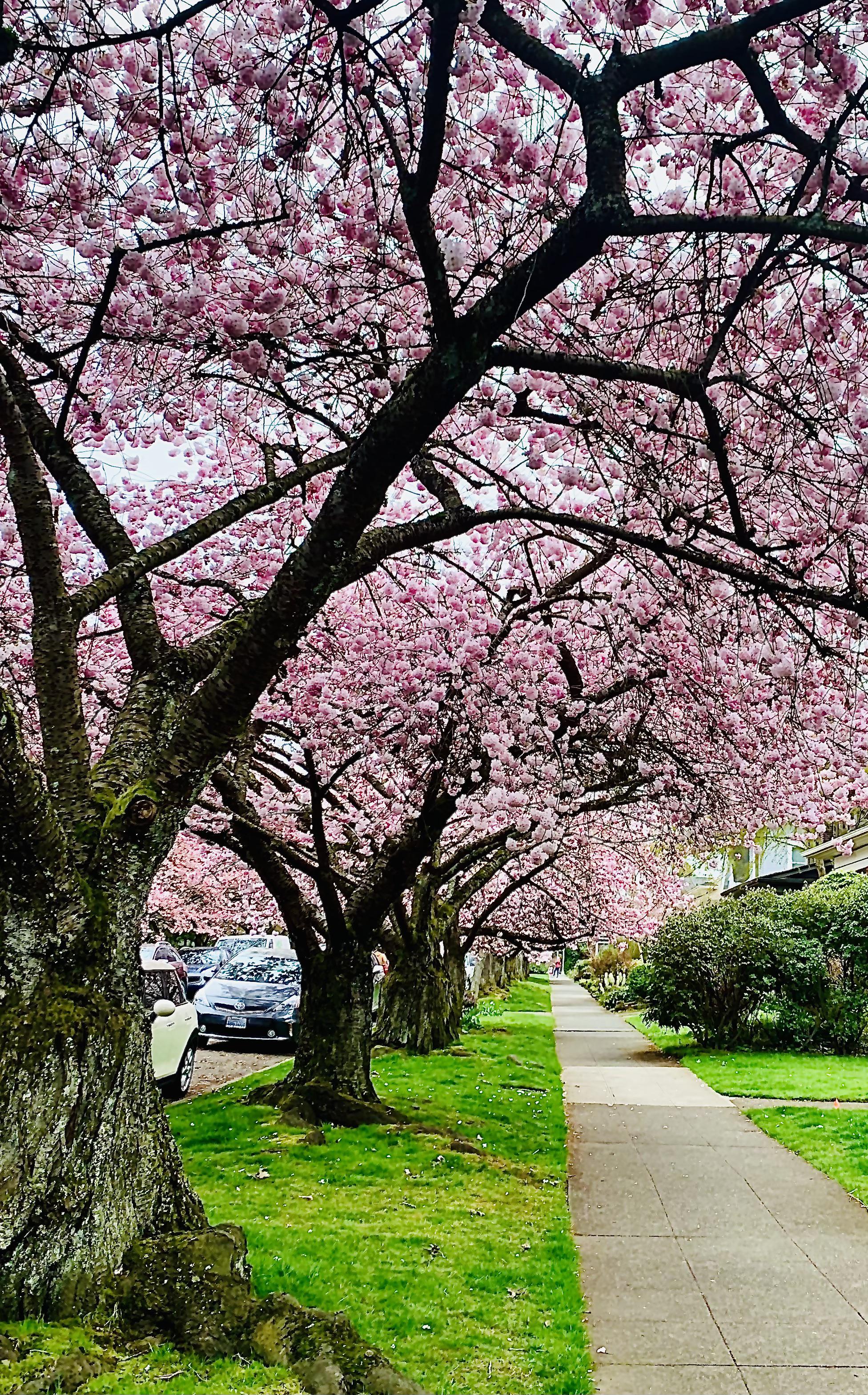
Blossoms & Aburasoba
After a long walk through Seattle's pink-canopied paths, there's nothing better than a warm, satisfying bowl. Slurp Station is right in the heart of the U-District — just half a mile from the UW Quad. Our signature aburasoba, soupless ramen with rich concentrated flavors, is the ultimate comfort food to fuel your spring adventures. Stop by, show us your best cherry blossom photo from the day, and let's celebrate the season together.