
What to Order at Slurp Station — A First Timer's Guide
Never had aburasoba? Here's exactly how the menu works, the tableside ritual you need to know, and what to order depending on who you are.
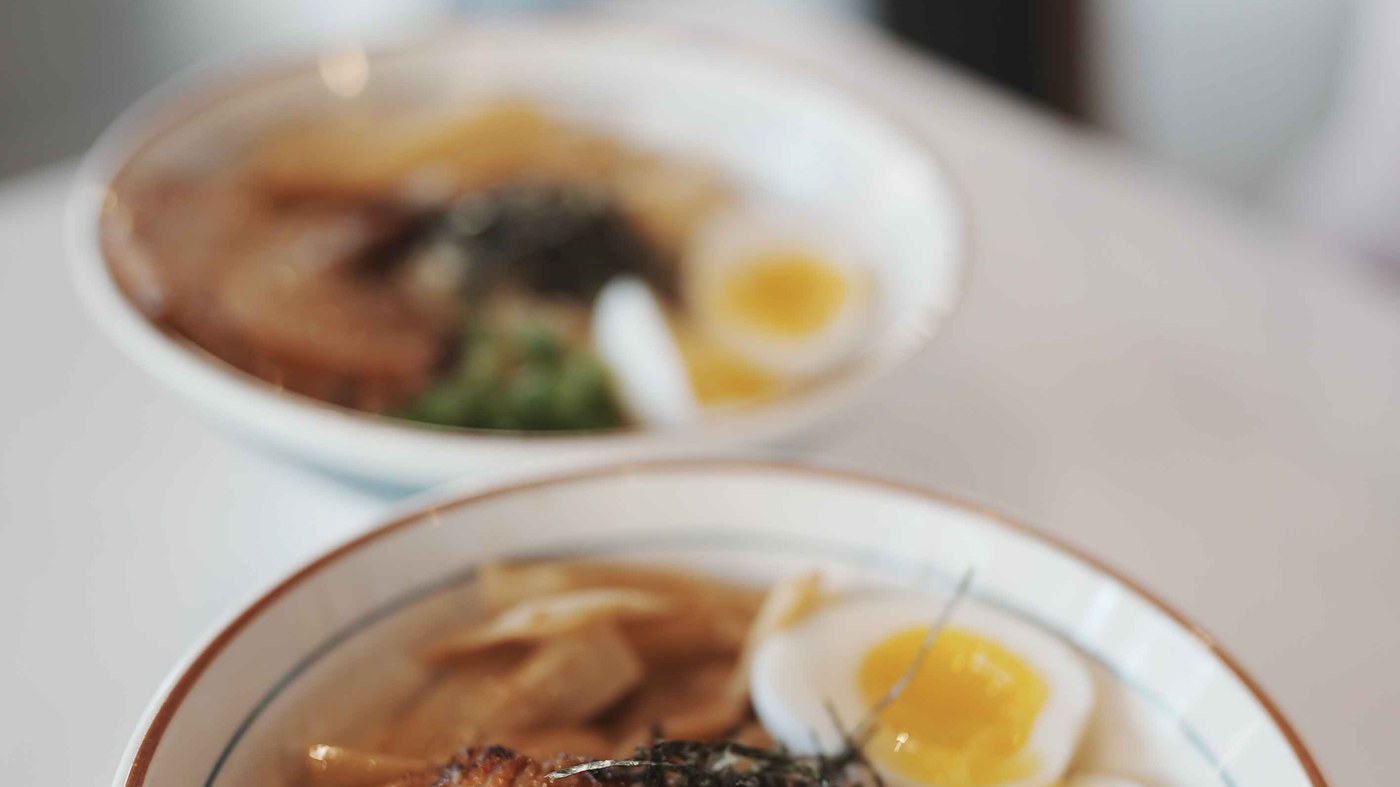
Walking into Slurp Station for the first time can be a little disorienting. It looks like a ramen shop — the warm lighting, the counter seats, the bowls of noodles — but then your food arrives and there's no broth. Just noodles, toppings, and a little pool of dark, intensely flavored liquid at the bottom of the bowl.
Welcome to aburasoba. It's Tokyo's worst-kept secret, and Slurp Station is the only place in Seattle serving it. If you're not sure what to order or how the whole thing works, this guide is for you.
How the Menu Works
The menu is smaller than you'd expect from a noodle shop, and that's intentional. Everything is a variation on aburasoba — brothless noodles with concentrated tare (seasoning sauce) and flavored oil. Here's how it breaks down:
The Core Four:
- Salt-Based Aburasoba ($17 / $19 Jumbo) — Savory salt tare with pork bone richness. Clean, balanced, and the best starting point for most people.
- Shoyu Aburasoba ($17 / $19 Jumbo) — Classic soy sauce base with deep umami. If you love soy sauce flavors, this is your bowl.
- Tokyo Ganso Aburasoba ($19) — The signature. Parmesan, a poached egg, and a secret house tare. This is the one people photograph. No jumbo size — it's already indulgent.
- Vegan Shoyu Aburasoba ($17) — Plant-based soy sauce tare with kale noodles. Not a compromise — read why in our vegan guide.
The Specialty:
- Seafood Jumbo Aburasoba ($22) — Ocean-forward umami with seafood toppings. Only comes in jumbo. For the adventurous eater who wants something bold.
Regular vs. Jumbo is about noodle quantity. Regular is a solid meal; Jumbo is for serious appetites or when you skipped lunch. Both come with the same toppings.
The Ritual
This is the part that makes aburasoba different from any other noodle dish you've had. When your bowl arrives, don't just start eating. There's a process, and it matters.
- Look at the bottom. Underneath the noodles and toppings sits the tare — concentrated seasoning sauce and flavored oil. This is where all the flavor lives.
- Mix from the bottom up. Use your chopsticks to lift and fold the noodles, pulling that tare up and coating everything evenly. This takes 30 seconds of real mixing. Don't rush it.
- Add vinegar. There's rice vinegar on the table. Add a splash — it cuts through the richness and brightens everything. Start with a little; you can always add more.
- Add chili oil. The la-yu (Japanese chili oil) is next to the vinegar. A small drizzle adds warmth without overwhelming heat. This is not Sriracha — it's more aromatic than spicy.
- Eat. Now slurp. Loudly, if you want. The noodles should be coated, savory, and balanced between rich, bright, and warm.
The vinegar and chili oil aren't optional extras — they're the second half of the recipe. Aburasoba without them is like pizza without the oven. Technically present, but missing the point entirely.
What to Order: By Situation
Everyone's different. Here's my recommendation depending on who you are:
- First time ever, play it safe: Salt-Based Regular ($17). Clean, approachable, lets you taste what aburasoba is actually about without any distractions.
- First time, feeling adventurous: Tokyo Ganso ($19). The parmesan and poached egg sound unusual, but trust the process. Break the egg, mix it in, and it becomes something magical. This is the one that converts skeptics.
- You're really hungry: Shoyu Jumbo ($19) + Chicken Karaage ($8). The jumbo is serious noodle volume, and the karaage is some of the crispiest fried chicken in the U-District.
- You're vegan: Vegan Shoyu ($17) + Chilled Tofu ($6). The vegan version is genuinely one of the best vegan noodle dishes in Seattle. The chilled tofu is a perfect light side.
- You want to impress a date: Tokyo Ganso for both of you, plus the Squid Salad ($7) to share. The ritual of mixing the bowl together is a conversation starter, and the Ganso's poached egg makes for a great photo.
- Seafood lover: Seafood Jumbo ($22). It's the most expensive thing on the menu and the most unique. Rich, oceanic, and unlike anything else in the area.
Practical Tips
A few things worth knowing before your first visit:
- Parking is free. There's a dedicated lot at 4701 Brooklyn Ave NE. In the U-District, that's basically a miracle.
- Hours: Open daily 11 AM – 9 PM. If you're ordering online, get your order in by 8:30 PM.
- Order online: Online ordering is available for pickup and delivery. Good for when the line is long or you want food waiting when you arrive.
- Drinks: The Lavender Milk Tea ($6) is unexpectedly great. The Thai Tea is a classic. Both pair well with the savory intensity of aburasoba — the sweetness is a nice counterpoint.
- The noodles are best fresh. Aburasoba doesn't travel as well as ramen because there's no broth to keep things moist. If you can eat in the restaurant, do. If you're getting delivery, eat it immediately — don't let it sit.
That's it. You now know more about ordering at Slurp Station than most people who've been three times. Go in, mix your bowl properly, don't forget the vinegar, and enjoy something you literally can't get anywhere else in Seattle.
Ready for Your First Bowl?
Slurp Station Aburasoba — 4701 Brooklyn Ave NE, Seattle. Open daily 11 AM – 9 PM. Free parking, online ordering available, and now you know exactly what to get.